
소화기 증상은 베트남을 찾는 국제 방문객의 여행이 가장 많이 중단되는 이유입니다. 대부분은 며칠 안에 저절로 낫지만, “쉬면 괜찮은 상태”와 “지금 진료받아야 하는 상태”의 경계는 누구나 아는 것이 아닙니다. 이 글은 가장 중요한 두 가지에 집중합니다. 처음 24시간을 올바르게 넘기는 방법과, 의료 도움이 필요한 신호를 알아보는 방법입니다.
더 기다리지 말고 바로 진료받아야 하는 신호
다음 중 하나라도 있으면 즉시 의료기관으로 가거나 115(베트남 응급 번호)로 전화하십시오: 변에 피가 섞이거나 검은 변, 피를 토함, 고열이 계속됨, 한 곳에 집중된 심한 복통, 의식이 흐리거나 깨우기가 매우 어려움, 여러 시간 소변이 없음, 또는 반나절 넘게 물 한 모금도 삼키지 못함. 어린아이, 고령자, 임신 중인 분, 기저질환이 있는 분은 훨씬 낮은 기준에서 경계하셔야 합니다.
가장 중요한 것: 올바른 수분 보충
대부분의 식중독에서 진짜 위험은 수분과 전해질을 잃는 것입니다. 마시는 양보다 마시는 방법이 더 중요합니다.
- 한 번에 조금씩, 자주 드십시오 — 메스꺼운 상태에서 한꺼번에 많이 마시면 다시 토하고 수분을 더 잃게 됩니다.
- 경구 수분보충액(오레솔)을 포장에 적힌 비율 그대로 타서 드시는 편이 좋습니다. 진하게 타면 더 빨리 보충되지 않고, 탈수를 더 심하게 만들 수 있습니다.
- 오레솔이 없으면 맹물과 약간 짠 음식을 함께 드시는 것으로 대신하십시오. 탄산음료와 에너지 드링크는 대체가 되지 않습니다.
- 설사를 할 때마다 그만큼 수분을 더 보충하십시오.
- 메스꺼움이 가라앉으면 담백하고 소화가 쉬운 음식으로 일찍 다시 드십시오 — 오래 굶는 것이 빨리 낫게 해 주지는 않습니다.
피해야 할 것들
- 고열이 있거나 변에 피가 섞인 상태에서 설사약을 임의로 복용하기
- 진료 없이 항생제를 사서 복용하기 — 대부분의 경우 항생제는 필요하지 않습니다
- 급성기에 술, 커피, 우유, 기름진 음식을 드시기
- 탈수 상태에서 긴 일정을 무리해서 이어가기 — 쉽게 악화됩니다
수액 치료가 필요한 경우
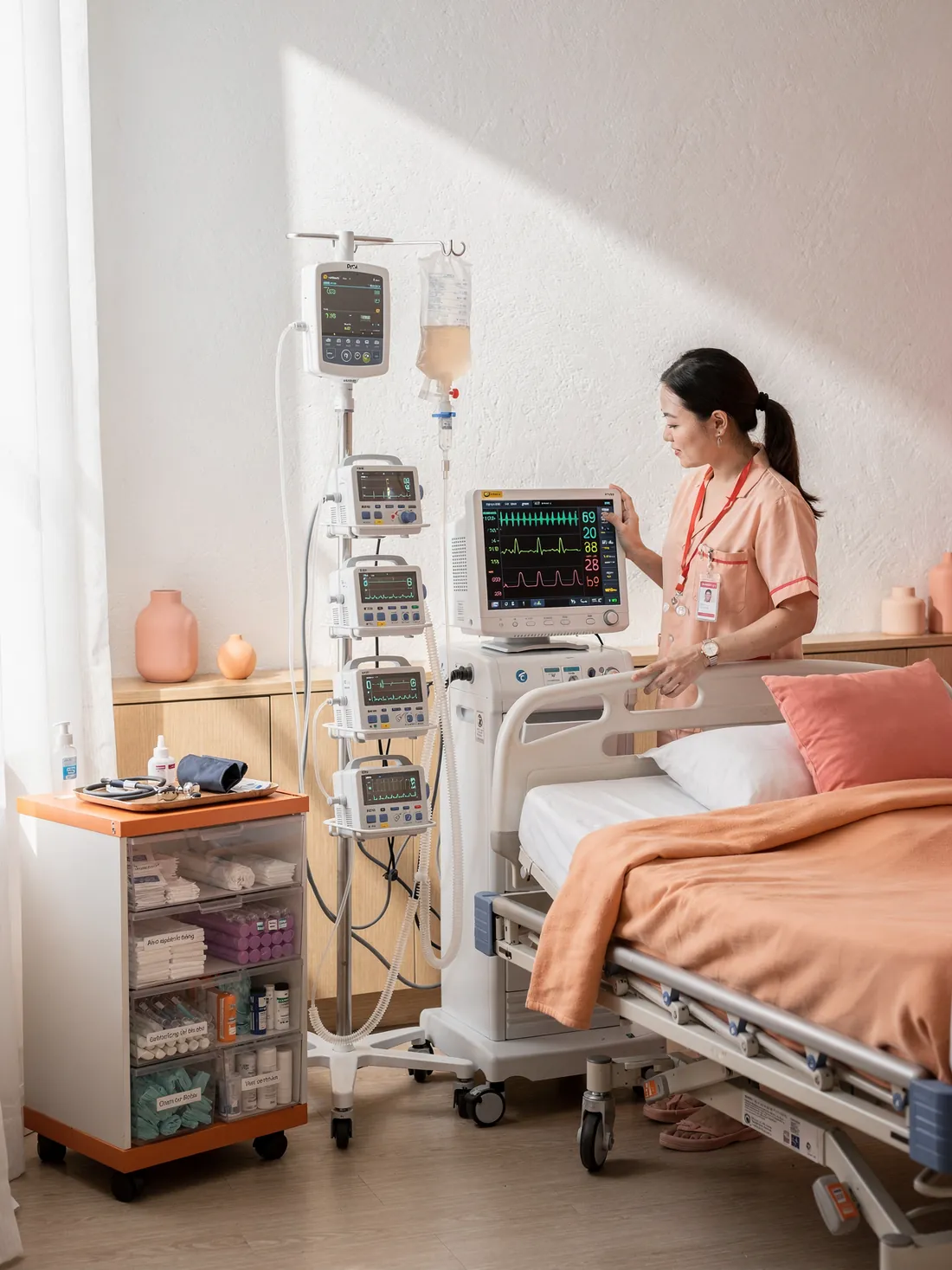
수액은 기본 선택이 아니라, 입으로 마시는 방법이 더는 통하지 않을 때를 위한 것입니다. 계속 토해서 물을 삼키지 못할 때, 또는 뚜렷한 탈수 징후가 있을 때입니다(입이 많이 마름, 소변이 매우 적고 색이 진함, 일어설 때 어지러움, 기운이 빠짐). 이 판단은 적응증과 적절한 수액 종류 모두에 대해 의사가 직접 진찰해야 합니다.
진찰 없이 “빠른 회복”을 내세우며 권하는 수액 서비스는 경계하십시오. 수액은 의료 처치이므로 올바른 적응증과 시행 중 관찰이 필요합니다.
호텔에서 진료받을지, 병원으로 갈지
| 상황 | 적절한 대처 |
|---|---|
| 구토·설사가 가볍고 물은 마실 수 있음 | 자가 관리, 수분 보충, 경과 관찰 |
| 많이 힘들고 물을 잘 못 마시며 탈수가 의심됨 | 숙소로 오는 의사 진료, 수액 치료 검토 |
| 피가 섞임, 고열, 심한 통증, 의식이 흐림 | 병원으로 가거나 즉시 115로 전화 |
남은 일정을 위한 예방
- 오래 상온에 두었던 음식보다 방금 조리해 뜨거운 음식을 고르십시오
- 손님이 많은 가게를 고르십시오 — 식재료가 더 빨리 회전합니다
- 익히지 않은 해산물, 출처가 불분명한 물로 씻은 생채소는 조심하십시오
- 식사 전에 손을 씻으십시오. 이동할 때는 손 세정제를 챙기십시오
- 속이 예민하신 편이라면 병에 든 물과 믿을 만한 곳의 얼음을 고려하십시오
다낭이나 호치민에 머무시면서 호텔, 아파트, 홈스테이에서 진료가 필요하시면, Y Tế Xanh(GreenCare)에는 영어로 소통하는 의료진이 있고, 사전에 비용을 안내하며, 여행자보험 서류용 영수증을 발급합니다.
가족에게 맞는 자세한 상담이 필요하신가요? 핫라인 094 368 81 15 (24/7)로 문의하고 예약하는 것은 무료입니다. Y Tế Xanh(GreenCare)에는 의사가 집으로 와서 하는 진찰, 간호사가 의사의 지시에 따라 하는 처치(주사, 수액, 드레싱 교체), 영상 통화로 하는 원격 상담, 그리고 복용 중인 약을 점검하는 일이 있습니다. 깊이 있는 원격 상담이나 두 번째 이후의 상담은 유료 서비스입니다. 어린이의 경우 진찰과 급성기 처치만 받으며, 집에서의 장기 돌봄과 신생아, 임산부는 받지 않습니다. 사시는 지역에 인력이 있는지 확인하고 비용을 투명하게 안내한 뒤 시작합니다.


