
Проблемы с пищеварением — самая частая причина, по которой поездка во Вьетнам прерывается. В большинстве случаев всё проходит за несколько дней, но граница между «достаточно отдыха и питья» и «нужно показаться врачу сейчас» не всем очевидна. В статье — о самом важном: как правильно пройти первые 24 часа и как распознать момент, когда нужна помощь.
Признаки, при которых нужно показаться врачу немедленно
НЕМЕДЛЕННО обратитесь в медицинское учреждение или звоните 115, если есть: кровь в стуле или чёрный стул, рвота с кровью, стойкая высокая температура, сильная боль в одной области, спутанность сознания или вас трудно разбудить, нет мочи много часов, или жидкость не удерживается дольше полусуток. Маленьким детям, пожилым, беременным и людям с хроническими заболеваниями обращаться за помощью нужно значительно раньше.
Самое важное: правильно восполнять жидкость
При отравлении настоящая опасность — потеря жидкости и электролитов. И то, как вы пьёте, важнее того, сколько:
- Пейте маленькими глотками и постоянно — большие объёмы при тошноте обычно вызывают новую рвоту и ещё большую потерю жидкости.
- Используйте соли для оральной регидратации, разводя строго по инструкции на пакетике. Более концентрированный раствор не работает лучше.
- Если солей для регидратации нет, помогает обычная вода вместе со слегка подсоленной едой; газировка и энергетики их не заменяют.
- После каждого эпизода диареи выпивайте дополнительный объём жидкости.
- Когда тошнота отпустит, начинайте есть простую, легко усваиваемую пищу — длительное голодание не ускоряет выздоровление.
Чего избегать
- Противодиарейных препаратов при высокой температуре или крови в стуле
- Самостоятельной покупки антибиотиков без осмотра — в большинстве случаев они не нужны
- Алкоголя, кофе, молока и жирной еды в острой фазе
- Продолжения насыщенной программы поездки при обезвоживании — именно так лёгкие случаи становятся тяжёлыми
Когда капельница действительно нужна
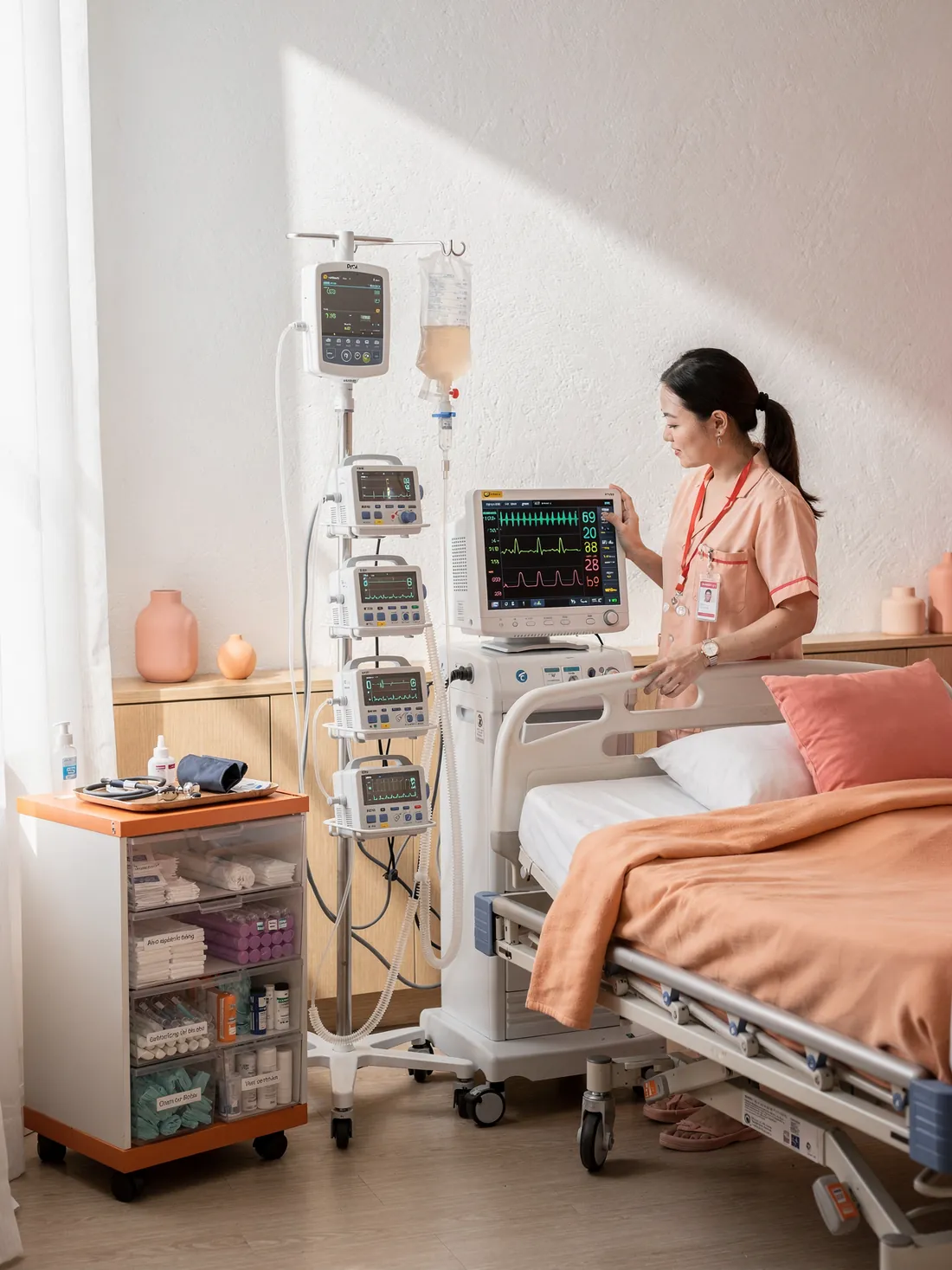
Капельница — не вариант по умолчанию: она нужна, когда питьё через рот уже не работает — стойкая рвота, при которой ничего не удерживается, или явные признаки обезвоживания: очень сухо во рту, мочи мало и она тёмная, головокружение при вставании, выраженная слабость. Это решение принимает врач после осмотра — и по показаниям, и по выбору правильного раствора.
Осторожнее с услугами «капельница для быстрого восстановления», которые предлагают без всякого осмотра. Капельница — медицинская процедура: она требует показаний и наблюдения всё время, пока идёт.
Врач в отель или больница?
| Ситуация | Что делать |
|---|---|
| Лёгкая рвота или диарея, пить получается | Самопомощь, восполнение жидкости, наблюдение |
| Сильная слабость, пьёте плохо, возможно обезвоживание | Вызов врача туда, где вы живёте; возможно, капельница |
| Кровь, высокая температура, сильная боль, спутанность сознания | Больница или немедленный звонок 115 |
Как сохранить остаток поездки
- Выбирайте горячую, только что приготовленную еду, а не блюда, которые долго стояли
- Идите туда, где много людей — высокая проходимость означает более свежие продукты
- Осторожно с сырыми морепродуктами и салатами, вымытыми водой неизвестного качества
- Мойте руки перед едой; носите с собой антисептик для рук
- Если желудок чувствительный, берите воду в бутылках и лёд из проверенного источника
Если вы в Дананге или Хошимине и нужен осмотр в отеле, апартаментах или homestay, у Y Tế Xanh (GreenCare) есть англоговорящие медики, стоимость подтверждается до начала, и выдаётся счёт, подходящий для возмещения по туристической страховке.
Нужна индивидуальная консультация для вашего близкого? Позвоните на горячую линию 094 368 81 15 (24/7) — спросить и записаться можно бесплатно. У Y Tế Xanh есть осмотр врача на дому, выполнение назначений врача медсестрой (инъекции, капельницы, перевязки), дистанционная консультация по видеосвязи и проверка принимаемых лекарств; углублённая дистанционная консультация и каждая следующая — платная услуга. Детей мы принимаем только на осмотр и неотложную помощь — без длительного ухода на дому, без новорождённых и беременных. Мы подтвердим, что в вашем районе есть персонал, и назовём прозрачную стоимость до начала обслуживания.


